Just like us humans, our four-legged canine best friends can also become obese and develop too much body fat. And, just like us, this can lead to all sorts of complications. As the main provider of food and exercise, it is your responsibility to ensure they are given the right means to stay at a healthy body weight. In today’s guide, we’ll walk you through the best way to keep your dog healthy and at the optimal weight throughout their lives.
The main causes of canine obesity are lack of exercise and overfeeding. This can be born through a lack of understanding about the requirements of your chosen breed or a change in circumstances that strips away your available ‘walkies’ time. Sometimes, it is difficult to notice excessive weight gain in our dogs – especially if they aren’t around others of a similar breed.
Equally, we can become so fuelled by love that we give in to each and every request – thinking we’re just doing our best by them.
Your dog gets everything that they need to grow and thrive from the foods they eat. Therefore, choosing the right food for them couldn’t be more important. However, you need to pay attention to the quantity, and types of nutrients you are giving them, as it is easy to cause upset to their stomachs. Additionally, their requirements will change and adapt as they grow.
There is no hard and fast rule for what to feed your dog. Depending on the breed and their individual intolerances, you’ll need to find a blend of food that works best for them. The options in the UK market are:
These are blended foods that contain all of the nutrients that a dog needs to stay healthy. They can be dry, wet and raw, but need to abide by the ‘European Pet Food Industry Federation’ (FEDIAF) National Guidelines for Complete Pet Food.
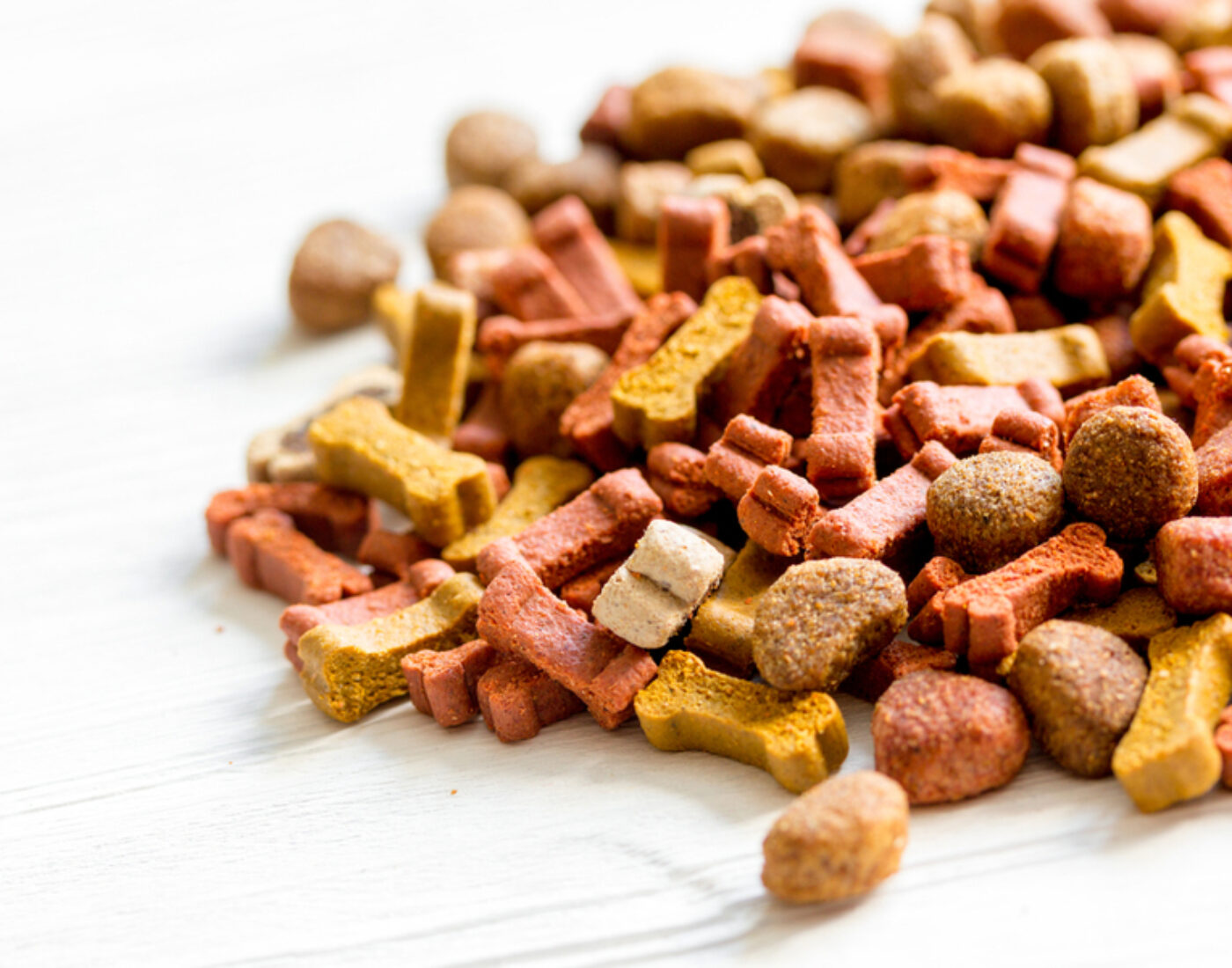
These are wet or raw foods that don’t offer the full range of nutrients and need to be combined with other additions to ensure your pup gets everything they need.
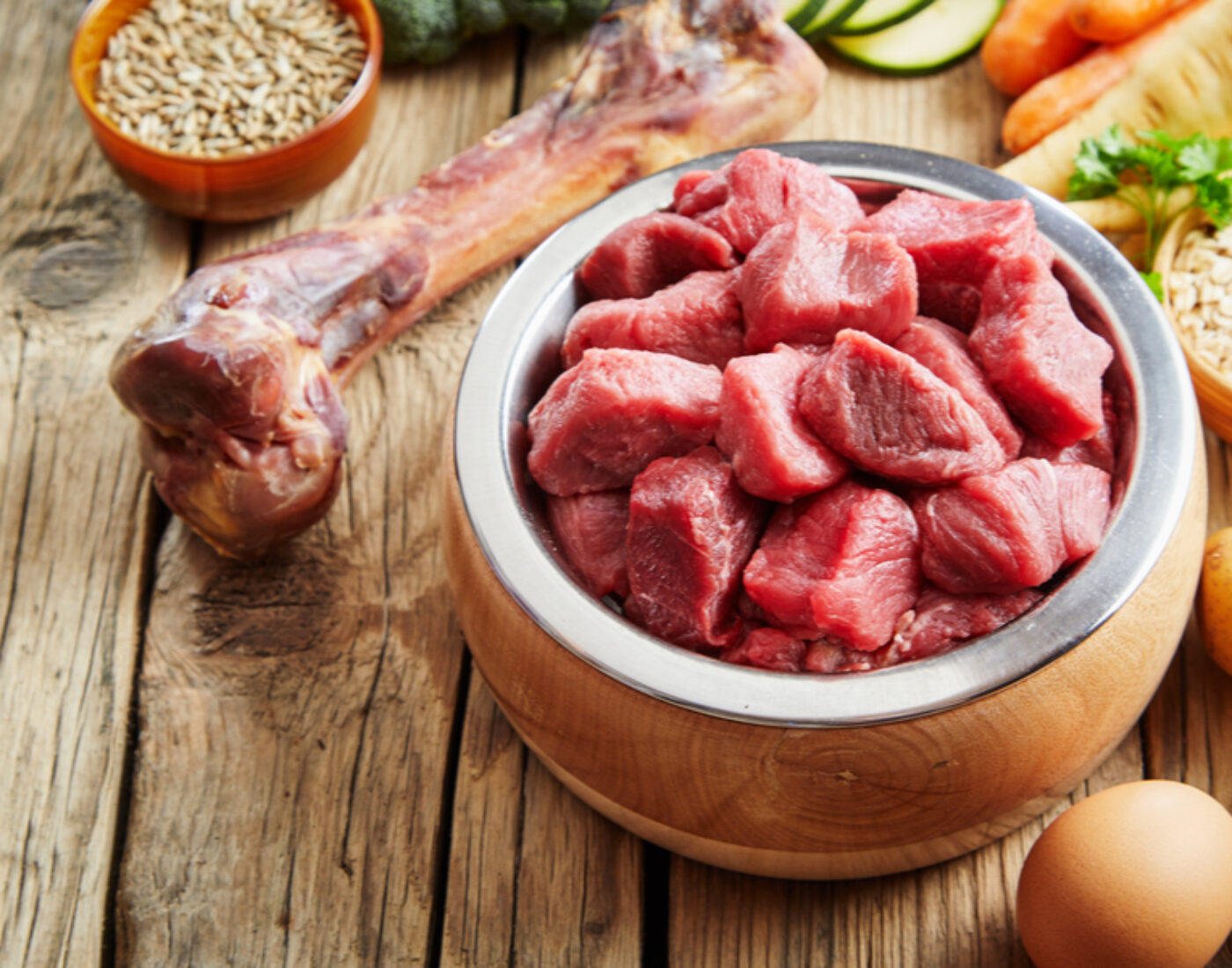
Otherwise known as mixers, these cereal-based biscuits or muesli mixes are designed to be offered alongside complete or complementary foods.
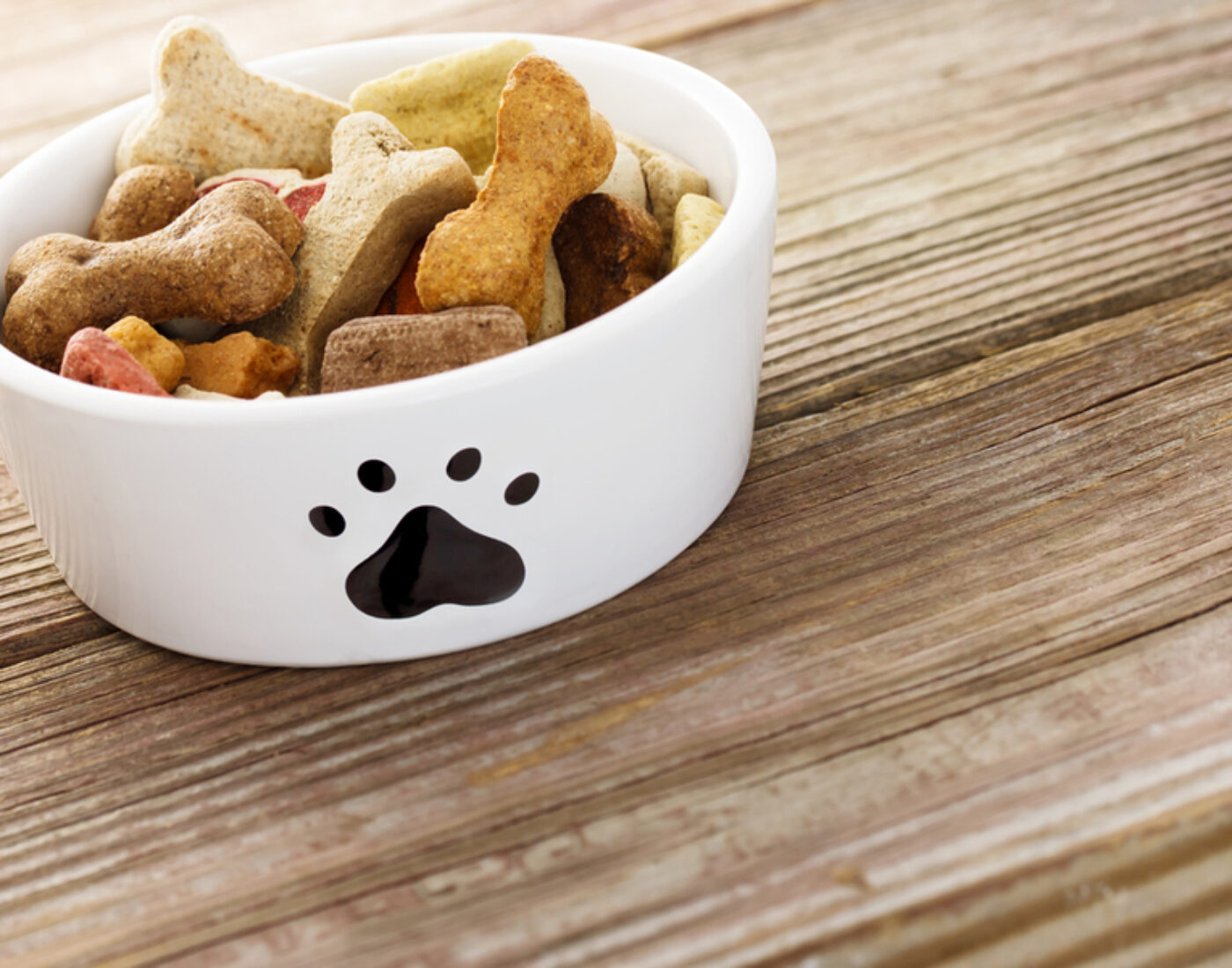
Giving the right amount of food will allow your dog to stay healthy for longer. Each dog food will have feeding guidelines printed on the package. Alternatively, you can speak to your vet if there is any concern over your pup’s weight.
A general rule is that your dog will be at the best weight when you can feel (but not easily see) the final ⅔ ribs and they have a defined waistline when looking down on them from above. When a dog is overfed, you may not automatically notice weight gain. Instead, it might manifest itself into digestive issues, so it’s always worth reassessing the amount of food that you’re giving.
It can be tempting to give a treat for every little trick our dogs do. But this is one sure-fire way to feed them more calories than they need. Try to stick to the 10% rule for dog treats. This means that treats should make up no more than 10% of your dog’s daily calorie allowance. Following this will help you avoid overfeeding – especially with these high-fat and high-calorie options.
The second thing you need to consider with dogs is exercise. This is vital – dogs have excess energy just like humans and need to burn this off. Some breeds were developed to be more active, such as Border Collies and Labradors, while Basset Hounds and Bulldogs are known for being more comfortable stationary. Recognising how much exercise your dog needs a day will effectively help you minimise the risk of obesity as they grow.
The recommended amount of daily exercise for most dogs is between 30 minutes to 2 hours. Younger dogs will need more exercise than older ones, and may need more challenging activities, such as chasing a ball or agility training. While a walk around the block is fine for getting those steps in, most breeds need to be mentally and physically challenged with the chance to run freely and actively burn off energy.
Obesity in dogs is just as dangerous as it is in us, humans. It can increase your pups risk of diabetes, respiratory diseases and heart disease. In addition, you may find that common hip issues including arthritis and hip dysplasia can be placed under heightened stress if the dog is overweight.
One of the best and most accurate ways to identify if your dog is overweight is to visit your vet. They will be able to do a physical examination and pop your pup on the scales to get a clear understanding of the situation at hand. They will also be able to tell you if your existing feeding and exercise routine is the best solution for your pup.
One of the best ways to ensure your pup is walked, regardless of your own commitments, is to lean on your support network. Here at Donna’s Pet Services, we provide dog walking and dog sitting services to help modern working dog parents. It’s not easy to just pop home on your lunch break and add to your dog’s daily exercise dosage. But, that’s where we come into play. Fully licensed and insured, our specialists can spend time with your dog, taking them for walks and ensuring they stay active – even when you can’t be there yourself.
If you would like to speak to us about ways to increase exercise and find a healthy routine for your pup, even during working days, please do get in contact here today.